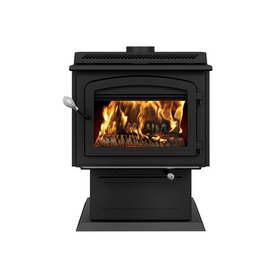
Drolet Heat Commander II Wood Furnace DF02003: Complete Buyer’s Guide
Last Updated: Dec 19, 2025Drolet Heat Commander II Wood Furnace DF02003 Overview
The Drolet Heat Commander II DF02003 is a high-efficiency, EPA-certified wood furnace designed to provide whole-home heating through ductwork. This guide explains what a wood furnace is, how this model works, and whether it’s the right solution for your home or light-commercial building.
Table of Contents
- Key Summary
- TL;DR
- What Is a Wood Furnace and How Does It Work?
- Introducing the Drolet Heat Commander II DF02003
- Heating Capacity: What Size Home Can the Heat Commander II Warm?
- Efficiency and Emissions: How Clean and Efficient Is It?
- Fuel Type: What Kind of Wood Does the Heat Commander II Use?
- Installation Considerations for the Drolet Heat Commander II DF02003
- Ducting Requirements and Airflow Design
- Compatibility with Existing HVAC Systems
- Who Is the Drolet Heat Commander II Best Suited For?
- Everyday Operation: What Living with a Wood Furnace Is Really Like
- Maintenance Expectations: Keeping the Heat Commander II Running Safely
- Pros and Cons of the Drolet Heat Commander II Wood Furnace
- How the Heat Commander II Compares to Other Heating Options
- Key Buying Considerations Before Choosing the Heat Commander II
- How a Product Like the Heat Commander II Fits into a Whole-Home Comfort Strategy
- Is the Drolet Heat Commander II DF02003 Right for Your Home?
- Can the Drolet Heat Commander II heat my entire home?
- Do I still need another heating system if I install the Heat Commander II?
- How much wood will the Heat Commander II burn each winter?
- Is the Drolet Heat Commander II safe to use during a power outage?
- How often does the chimney need to be cleaned with a wood furnace?
Key Summary
The Drolet Heat Commander II DF02003 is a high-performance, forced-air wood furnace designed to heat larger homes and small commercial spaces through ducted air distribution. It pairs modern EPA-certified combustion with traditional cordwood fuel, offering strong heat output, lower emissions than older furnaces, and the ability to integrate with existing ductwork when installed by qualified HVAC and chimney professionals.
TL;DR
- The Drolet Heat Commander II DF02003 is an EPA-certified forced-air wood furnace designed for whole-home heating in cold climates and rural properties.
- It burns seasoned cordwood, delivers high BTU output through ductwork, and can either complement or replace a conventional gas, oil, or electric furnace when properly integrated.
- Ideal for homeowners with access to affordable firewood who want energy independence and lower heating bills, and who are prepared for hands-on operation and regular maintenance.
- Key considerations include chimney design, clearances, ducting layout, electrical and control integration, and local building and emissions codes.
- Compared with boilers, central heat pumps, and freestanding wood stoves, a wood furnace can offer powerful whole-home heat, but requires more daily interaction and careful fuel management.
Product Introduction
If you are considering whole-home wood heat, the Drolet Heat Commander II DF02003 is one of the more modern, high-efficiency wood furnaces available for residential and light-commercial applications. It is designed to tie into standard ductwork, deliver consistent warm air throughout the home, and offer an alternative to fossil-fuel furnaces for owners with reliable access to firewood and a desire for more energy independence.
What Is a Wood Furnace and How Does It Work?
A wood furnace is a central heating appliance that burns cordwood to produce hot air, which is then distributed through ductwork to heat multiple rooms or an entire building. Unlike a freestanding wood stove that mainly heats the room it sits in, a wood furnace is usually installed in a basement, utility room, or mechanical space and connects to supply and return ducts similar to a conventional gas or oil furnace.
- You load seasoned firewood into a sealed firebox and ignite it following the manufacturer’s instructions.
- Combustion air is introduced in a controlled way to maintain efficient burn and to keep emissions low.
- Heat from the fire transfers to a heat exchanger that warms air passing over it.
- A blower fan pushes the heated air through ductwork to rooms throughout the home.
- Exhaust gases are vented outdoors through a code-compliant chimney or flue system.
Modern wood furnaces like the Drolet Heat Commander II are EPA-certified, meaning they meet performance and emissions standards that are significantly cleaner than older, uncertified wood-burning furnaces. They typically use secondary or tertiary combustion technology, which burns off more of the gases and particulates that would otherwise exit as smoke.
Wood Furnace vs. Wood Stove
A wood stove is usually a room heater, even though some heat will drift to nearby spaces. A wood furnace is specifically designed as a central, ducted system. If your goal is to replace or reduce the run time of a conventional furnace and maintain more even temperatures through the house, a wood furnace is generally more appropriate than simply adding a large stove in one room.
Introducing the Drolet Heat Commander II DF02003
The Drolet Heat Commander II DF02003 is a high-efficiency, forced-air, EPA-certified wood furnace designed primarily for larger homes and small commercial spaces in cold climates. It is an update to Drolet’s earlier Heat Commander line, retaining the core concept of powerful whole-home heating while improving combustion efficiency, user controls, and integration with ducted systems.
While specifications can vary slightly by region and production year, the Heat Commander II is built to deliver strong BTU output, long burn times with full loads of seasoned hardwood, and compatibility with many standard HVAC layouts when ducts and controls are designed correctly. It is intended for users who want to rely primarily on wood for space heating, often in rural or semi-rural areas with high fuel oil or propane costs.
Core Features at a Glance
- EPA-certified cordwood furnace with advanced combustion technology to reduce emissions compared with legacy wood furnaces.
- Forced-air distribution using a high-capacity blower to push heated air through your ductwork.
- Large firebox sized for bigger logs and longer burns, especially when using dense hardwoods.
- Insulated, steel construction designed to withstand high operating temperatures and continuous winter use.
- Controls and safety features intended for integration with existing heating systems and thermostats, when installed by qualified professionals.
Heating Capacity: What Size Home Can the Heat Commander II Warm?
When shopping for a central wood furnace, one of the first questions is, “How many square feet will this heat?” The Heat Commander II DF02003 is designed for medium-to-large homes or small commercial buildings, particularly in colder climates where winter temperatures regularly dip well below freezing.
Exact square footage coverage depends on several factors, including climate zone, insulation level, air sealing, ceiling height, layout, and how you operate the furnace. In well-insulated houses with good air sealing, modern EPA-certified wood furnaces in this class can commonly heat in the range of roughly 1,500 to 3,000+ square feet. In drafty, older, or poorly insulated homes, that coverage range shrinks, and the furnace may need to run harder to keep up on the coldest days.
- Tight, energy-efficient home: The Heat Commander II may comfortably heat a larger footprint with lower wood consumption.
- Average older home: It may serve a moderate footprint well but could struggle at the edges of its claimed range if insulation and windows are poor.
- Very drafty or poorly insulated building: Consider treating this furnace as part of a hybrid system or pairing it with envelope upgrades like air sealing and added insulation.
If you are at the upper edge of the recommended square footage range in a cold climate, you may want to plan for a backup or supplemental heat source, such as an existing gas or heat pump system, for very cold snaps or times when you are away and unable to tend the fire frequently.
Efficiency and Emissions: How Clean and Efficient Is It?
The Drolet Heat Commander II DF02003 is built as a high-efficiency, EPA-certified wood furnace, which generally means it uses advanced combustion air staging, baffles, and possibly secondary burn chambers to extract more heat from the wood while releasing fewer particulates and pollutants. Certified units often use less wood for the same heat output compared with older, unregulated furnaces and typically produce less visible smoke once they are up to operating temperature.
- Higher thermal efficiency means more of the energy in each piece of wood is converted to usable heat rather than being lost up the chimney.
- Lower particulate emissions help reduce smoke and soot, which is better for local air quality and often necessary to comply with current codes.
- EPA certification can be important for permitting, insurance, and future resale of the home, especially in areas with air quality regulations.
The actual efficiency you experience also depends heavily on your firewood quality and how you operate the furnace. Burning well-seasoned hardwood, maintaining appropriate loading practices, and following Drolet’s operating guidelines will directly impact how much heat you get per cord and how cleanly it runs.
Why EPA-Certified Matters for Wood Furnaces
EPA-certified wood appliances meet specific performance and emissions thresholds. For homeowners, this usually translates into:
- Better fuel economy, meaning fewer cords for the same comfort.
- Less visible smoke and smell, which can reduce neighborhood concerns.
- A greater likelihood of meeting modern code requirements for new installations or renovations.
Older, non-certified wood furnaces can be extremely fuel hungry, schedule-disrupting, and may be restricted or banned in some regions. If you are investing in whole-home wood heat, stepping into a certified unit like the Heat Commander II typically provides better long-term value and comfort.
Fuel Type: What Kind of Wood Does the Heat Commander II Use?
The Drolet Heat Commander II DF02003 is designed to burn seasoned cordwood. It is not intended for coal, manufactured logs with additives, or waste materials, and using the wrong fuel can damage the furnace, increase emissions, and void the warranty. High-efficiency furnaces rely on a predictable fuel type and burn characteristics to maintain clean, stable combustion.
- Use split hardwoods (such as oak, maple, beech, ash, or birch) that have been seasoned for at least one full year, and ideally two years in many climates.
- Aim for moisture content around 15–20%, verified with a basic firewood moisture meter if possible.
- Avoid burning painted, stained, pressure-treated, or glued wood products, which can release harmful chemicals and damage the unit.
- Store wood under cover with good airflow, off the ground, and stacked loosely to dry properly.
Softwoods like pine or spruce can be used for kindling and shoulder-season burns, but they burn faster and can produce more creosote if not burned hot. In cold climates, most homeowners rely primarily on dense hardwoods to get the longest possible burns and the greatest amount of heat per cord.
Installation Considerations for the Drolet Heat Commander II DF02003
Installing a central wood furnace is more complex than placing a freestanding stove. The Heat Commander II must be integrated into your home’s mechanical system in a way that is safe, code-compliant, and effective at delivering heat. Professional installation by technicians familiar with both solid-fuel appliances and ducted HVAC is strongly recommended and often required by local codes and insurers.
Location and Clearances
The furnace is typically placed in a basement, dedicated furnace room, or mechanical space with adequate room for loading wood, performing maintenance, and maintaining required clearances to combustibles. You will need to plan for safe pathways for bringing firewood inside and for ash removal. Manufacturer instructions and local codes will specify minimum clearances around the unit, which must be maintained even if this reduces storage or working space nearby.
- Check required floor protection (concrete slab is common, or a properly rated hearth pad) to protect from sparks and heat.
- Maintain required side, rear, and top clearance distances from any combustible materials such as framing, drywall, and stored items.
- Ensure the space has adequate ventilation and meets any combustion air supply requirements outlined in the manual and local code.
Chimney and Venting Requirements
The Heat Commander II must be connected to a properly sized, code-compliant chimney system built for high-temperature solid-fuel appliances. This often involves an insulated stainless-steel chimney or a masonry chimney with a suitable liner. The chimney height and routing must provide adequate draft to support stable combustion and minimize smoke roll-out when you load wood.
- Use only chimneys and components rated for wood-burning appliances, not Type B gas vent or improvised flues.
- Avoid sharing the same flue with other appliances such as gas furnaces, oil furnaces, or wood stoves, unless local code and the manufacturer explicitly allow a specific configuration.
- Follow local building codes for minimum chimney height above the roofline and nearby structures to ensure safe draft and reduce downdrafts.
A poorly designed or undersized chimney is one of the most common reasons for performance issues, smoke spillage, and creosote buildup in solid-fuel appliances, so this part of the installation should be taken seriously and handled by qualified professionals.
Electrical and Controls
While the Heat Commander II generates heat from wood, it still relies on electricity to power the blower fan, any control board or relays, and possibly safety interlocks. It is not a purely passive system. This means you will need a dedicated electrical circuit and a plan for how the furnace responds to power outages, especially in very cold climates.
- Have a licensed electrician provide the required electrical supply, disconnects, and grounding for the blower and control systems.
- Consider a backup power solution, such as a generator or battery-backed inverter, to keep the blower running and prevent overheating if the power fails while the furnace is burning hot.
- Coordinate thermostat wiring and control logic so that the wood furnace and any backup furnace do not conflict with each other.
Ducting Requirements and Airflow Design
Because the Heat Commander II is a forced-air wood furnace, the design of your supply and return ducts is critical to comfort and safety. Incorrect duct sizing, poor balancing, or inadequate return air can cause uneven heating, blower strain, excessive noise, or even overheating.
Supply Ducts
The supply plenum on top or at the rear of the furnace must connect to trunk ducts that can handle the airflow and temperature the furnace is designed to deliver. Undersized ducts can lead to high static pressure, noisy airflow, and reduced heat transfer. Oversized ducts may not distribute heat evenly if not properly balanced with dampers and branch sizing.
- Have an HVAC professional size ducts using accepted methods that account for airflow, temperature rise, and total static pressure.
- Plan branch runs to key living areas first, then to bedrooms and secondary spaces, to avoid hot and cold zones.
- Use insulated ducts in unconditioned areas (like unheated basements or crawlspaces) to prevent heat loss and condensation.
Return Air Ducting
Return air is just as important as supply air. The Heat Commander II must have a clear, unrestricted path for cooler house air to return to the furnace to be reheated. Without proper returns, the furnace may draw combustion air from the occupied space, depressurize the home, or create airflow imbalances that affect other appliances.
- Provide a dedicated return duct path sized to match the furnace blower’s airflow rating.
- Avoid relying solely on door undercuts or random leaks for return air in larger systems.
- Consider using central returns or multiple strategically located returns to balance pressures and improve comfort.
Ducting with an Existing Furnace
In many retrofits, the Heat Commander II is installed alongside an existing gas, oil, or electric furnace. The duct design must allow either appliance to operate effectively without backfeeding hot air into the inactive unit or creating unsafe temperature rises. This often requires backdraft dampers, temperature-sensitive dampers, or mechanical switchover systems that a knowledgeable HVAC contractor can design and install.
Compatibility with Existing HVAC Systems
One of the key advantages of a forced-air wood furnace like the Drolet Heat Commander II is its potential to integrate with existing ductwork and HVAC appliances. In practice, the degree of compatibility depends on your current system layout and equipment.
Pairing with a Gas or Oil Furnace
Many homeowners pair a wood furnace with an existing gas or oil furnace, using wood as the primary heat source and fossil fuels as backup. The ductwork can be arranged so that both appliances share the same distribution system but do not operate simultaneously in a way that conflicts.
- Thermostat integration can prioritize the wood furnace at lower thermostat setpoints and call on the gas or oil furnace only when the wood furnace is not running or cannot keep up.
- Mechanical or automatic dampers can direct airflow from whichever furnace is active while preventing heat from flowing backwards through the idle unit.
- Safety controls can shut down one appliance if the other is running to avoid overheating ducts or equipment.
Because integration details are specific to each home, working with installers who have direct experience combining wood and fossil-fuel furnaces is essential.
Pairing with a Heat Pump or Electric Furnace
If your home currently uses an electric furnace or central heat pump, the Heat Commander II can still be integrated, but controls and ductwork may need extra attention. Heat pumps operate with lower supply-air temperatures than a wood furnace, and care must be taken to avoid thermal stress on air handlers and coils when hot wood-furnace air moves through the same duct system.
- Some installations may use a separate supply plenum or bypass ductwork for the wood furnace while still serving the same rooms.
- Controls may be set up so that the heat pump handles mild weather and the wood furnace takes over during colder conditions or when you choose to burn wood.
- An HVAC professional should confirm that any coils, filters, and duct components are rated for the temperatures produced by the wood furnace.
Zoning and Air Balancing
Homes with multi-zone HVAC systems, motorized dampers, or complex duct configurations may require careful design to ensure the wood furnace distributes heat evenly. Because a wood furnace typically delivers relatively high supply temperatures, oversupplying a smaller zone can lead to overheating.
- Zoning controls may need revised programming to avoid calling for very small zones when the wood furnace is operating at high fire.
- Manual or automatic dampers can help shape airflow patterns to keep high-use living spaces comfortable.
- In some cases, simplifying the duct zoning or adding a dedicated duct run from the wood furnace can improve comfort and control.
Who Is the Drolet Heat Commander II Best Suited For?
A central wood furnace is not the right fit for everyone. The Heat Commander II DF02003 is best suited for homeowners and light-commercial owners who want to make wood their primary heat source and are comfortable with the responsibilities that come with it.
- Rural or semi-rural properties where access to affordable or self-harvested firewood is reliable and long term.
- Larger homes or smaller commercial spaces that would be expensive to heat with propane, fuel oil, or electric resistance.
- Owners who like the idea of energy independence and are comfortable with the routine of loading wood, managing the fire, and performing regular maintenance.
- Households where someone is typically home mornings and evenings in winter to tend the furnace and respond to changing outdoor temperatures.
If you travel frequently in winter or prefer a completely hands-off heating system, a high-efficiency gas furnace, heat pump, or pellet system with automatic feed might be a better match than a central cordwood furnace.
Everyday Operation: What Living with a Wood Furnace Is Really Like
Operating the Drolet Heat Commander II is more hands-on than adjusting a thermostat on a gas furnace. However, many owners find the routine manageable and even satisfying once they are set up with good wood storage and a regular schedule.
Starting and Tending Fires
On cold days, you will typically start or reload the furnace in the morning and evening. A full burn cycle involves loading wood, establishing a hot, clean-burning fire, and adjusting the controls according to manufacturer guidelines. Once the furnace is up to temperature, secondary combustion and high-efficiency burn should take over, producing strong heat output with relatively low visible smoke.
- Use kindling and small splits to get the initial fire going quickly and bring the chimney up to temperature.
- Once a coal bed is established, load larger splits for longer burns and steadier output.
- Follow the recommended air control settings to avoid overfiring or smoldering, which can reduce efficiency and increase creosote.
Temperature Management and Thermostat Use
Many ducted wood furnaces can be tied into a wall thermostat that controls the blower fan or interacts with backup heating equipment. While this offers some automation, it is not identical to a fossil-fuel furnace that can precisely modulate output. Your actual heat output will still depend on the size of the fire and the amount of wood in the firebox.
- Expect the indoor temperature to vary more than with a fully modulating heat pump or gas furnace.
- You can generally aim for a comfortable temperature band and then fine-tune by adjusting load size and timing.
- During milder weather, smaller, shorter burns may be needed to avoid overheating the house.
Noise and Air Movement
The Heat Commander II uses a blower to move air through ducts, so you will hear fan noise and feel airflow through registers, much like a conventional furnace. In some cases, blower speed and duct design can be adjusted to reduce noise. Because supply air from a wood furnace is often hotter than from a heat pump, it may also feel different at the registers.
Maintenance Expectations: Keeping the Heat Commander II Running Safely
Owning a central wood furnace comes with ongoing maintenance responsibilities. The Drolet Heat Commander II is designed for regular, intensive use, but it will only perform well and safely if you follow manufacturer maintenance guidance and local safety practices.
Daily and Weekly Tasks
- Ash removal: Depending on how much you burn, you may need to empty the ash pan every few days to maintain good airflow.
- Glass and door gaskets: Inspect door seals for leaks, wipe glass (if present on inspection doors) when cool, and ensure latches close snugly.
- Combustion chamber check: Periodically look inside for excessive soot or creosote, which can signal issues with fuel quality or operating practices.
Seasonal and Annual Tasks
- Chimney sweeping: Have your chimney inspected and cleaned at least once per heating season, and more often if you burn heavily or notice increased creosote.
- Blower and ducts: Clean blower intakes, filters (if used), and accessible ductwork to maintain airflow and indoor air quality.
- Gasket and seal checks: Replace worn door gaskets, inspect seams and joints, and check for any air leaks that could impact combustion or safety.
- Control and safety checks: Test safety switches, high-limit controls, and thermostat operation at least once per season, ideally with a professional service visit.
Proper maintenance reduces the risk of chimney fires, maintains efficiency, and extends the service life of the furnace. Many homeowners schedule a professional inspection and cleaning in late summer or early fall before the heavy heating season begins.
Pros and Cons of the Drolet Heat Commander II Wood Furnace
Understanding the practical advantages and trade-offs can help you decide whether the Heat Commander II is a good fit for your lifestyle, property, and long-term plans. Like all cordwood-based systems, it excels in some areas and demands more from you in others.
Key Advantages
- High heat output: The Heat Commander II can deliver substantial BTUs through ductwork, making it suitable for larger homes and colder climates.
- Fuel cost savings: For owners with inexpensive or self-harvested firewood, heating costs can be significantly lower than propane, fuel oil, or electric resistance heat.
- Energy independence: Wood can reduce reliance on grid electricity and fossil fuel supply chains, which many rural homeowners value.
- EPA-certified efficiency and emissions: Compared with older wood furnaces, modern units like the Heat Commander II tend to burn cleaner and use less wood for the same comfort level.
- Ducted whole-home heating: Unlike a single wood stove, a central wood furnace is designed to heat multiple rooms more evenly when paired with a well-designed duct system.
Potential Drawbacks
- Hands-on operation: Daily or near-daily loading and fire management is required during the heating season, which may not suit all schedules or preferences.
- Upfront system cost: When you factor in professional installation, duct modifications, and chimney work, a central wood furnace system can represent a significant upfront investment.
- Space requirements: The furnace, wood storage, and safe clearances require dedicated indoor space, which may be limited in some homes.
- Ash handling and mess: Wood heating involves handling firewood indoors, managing ash, and cleaning hearth areas, which can be dusty or messy compared with sealed fuel systems.
- Dependence on electricity for blower operation: In a power outage, you may need backup power or operating procedures to manage a hot fire safely if the blower stops.
If you enjoy the work of managing firewood and appreciate the comfort of radiant, wood-sourced heat, these trade-offs can feel well worth it. If you prefer a low-maintenance, hands-off heating system, another technology may be a better fit.
How the Heat Commander II Compares to Other Heating Options
When you evaluate the Drolet Heat Commander II, it is helpful to compare it with alternative whole-home heating systems you might consider for a larger home or rural property. Each technology has its own strengths in terms of cost, convenience, sustainability, and resilience.
Wood Furnace vs. Freestanding Wood Stove
A freestanding wood stove is usually simpler and less expensive to install than a full wood furnace system. It works best when the main living area is the primary heat target and the home’s layout allows heat to drift to other rooms. However, even large stoves often struggle to keep distant rooms at the same temperature, especially in multi-story or sprawling floor plans.
- Choose a wood furnace like the Heat Commander II if you want ducted whole-home heating, especially in a larger or more compartmentalized house.
- Choose a wood stove if you are mainly supplementing another heating system or heating a smaller, open-plan space.
Wood Furnace vs. Hydronic Wood Boiler
Hydronic wood boilers burn wood to heat water, which is then circulated through radiators, in-floor hydronic loops, or air handlers. They can be installed indoors or outdoors and often integrate well with existing hydronic heating systems. The trade-off is typically higher system complexity, a more involved plumbing installation, and sometimes higher upfront cost than a forced-air wood furnace.
- A wood boiler may be ideal if your home already has hydronic radiators or in-floor heating and you prefer silent, even radiant heat.
- A wood furnace like the Heat Commander II is usually more straightforward for homes already built around forced-air ducted systems and can be easier to retrofit into existing ductwork.
Wood Furnace vs. Modern Heat Pump
Modern air-source and cold-climate heat pumps have become popular because they provide efficient electric heating and cooling with minimal user interaction. They can dramatically reduce operating costs in many regions, especially where electricity is relatively clean and affordable. However, heat pump performance in very cold climates can be limited without backup heat, and they still depend entirely on the electrical grid unless paired with a robust battery and solar system.
- Heat pumps are low-maintenance and convenient, with precise temperature control and built-in cooling for summer.
- A wood furnace like the Heat Commander II offers fuel resilience and potentially lower winter operating costs where wood is plentiful, but requires active user involvement and cannot provide cooling on its own.
Wood Furnace vs. High-Efficiency Gas or Oil Furnace
High-efficiency gas and oil furnaces are familiar, relatively compact, and automatic. Once installed, they require little day-to-day user interaction beyond changing filters, scheduling annual service, and paying energy bills. They do, however, tie you to market prices for fossil fuels and to ongoing emissions impacts of those fuels.
- A gas or oil furnace is ideal for homeowners who value convenience and predictable, automated operation.
- A wood furnace is more suitable for owners willing to trade convenience for potential cost savings and a more renewable fuel source, especially in rural locations with high delivered fuel prices.
Key Buying Considerations Before Choosing the Heat Commander II
Before committing to the Drolet Heat Commander II DF02003 or any central wood furnace, it helps to step back and confirm that this approach aligns with your property, lifestyle, and budget. Asking a few targeted questions can clarify whether a ducted wood furnace is the right path or whether another technology would serve you better.
- Do you have long-term access to affordable, sustainable firewood, and space to store at least a full season’s worth of seasoned wood?
- Is your home’s layout and ductwork suitable for integrating a central wood furnace without major reconstruction?
- Are you comfortable with the routine of loading wood, cleaning ash, and staying engaged with the heating system through the winter?
- Do you have backup power or a plan for safely managing a hot furnace during a power outage?
- Have you checked local building codes, emissions rules, and insurance requirements for installing a wood furnace in your jurisdiction?
If the answers to these questions are mostly positive, the Heat Commander II can be a strong candidate for your primary heating system. If not, it may be better to look at other central heating solutions or a hybrid approach that combines a smaller wood appliance with a more automated main system.
How a Product Like the Heat Commander II Fits into a Whole-Home Comfort Strategy
For many homeowners, choosing a central wood furnace is part of a broader strategy to reduce energy bills, improve comfort, and increase resilience. A product in this category can be paired with insulation upgrades, air sealing, smart thermostats, and, in some cases, complementary equipment like heat pumps to create a robust, flexible system.
- Use the wood furnace as the primary heat source in winter, especially during cold snaps, and rely on a high-efficiency heat pump or gas furnace in milder weather or when you are away.
- Combine improved insulation, better windows, and air sealing with the Heat Commander II to shrink your home’s heat load and reduce how often you need to reload.
- Add smart controls or thermostats that allow you to easily hand off heating duties between your wood furnace and backup systems depending on outdoor conditions or your schedule.
When viewed as one component in a whole-home comfort plan, a modern wood furnace can be a powerful tool for both cost control and energy resilience, especially in areas where winter storms and power interruptions are common.
Is the Drolet Heat Commander II DF02003 Right for Your Home?
The Drolet Heat Commander II DF02003 stands out as a robust, EPA-certified wood furnace designed for whole-home heating through ductwork. It offers strong heat output, relatively clean combustion for a cordwood system, and the flexibility to integrate with existing HVAC in many larger homes and rural properties. In return, it asks for active involvement in fuel management, ongoing maintenance, and a willingness to design the system carefully with qualified professionals.
If your priorities include lower heating costs, energy independence, and the comfort of whole-home wood heat—and you are ready for the responsibilities that come with a central wood furnace—the Heat Commander II is worth serious consideration. If you prefer set-and-forget operation with minimal interaction, or do not have reliable access to quality firewood, a modern heat pump or high-efficiency gas system may be a better fit.
Before making a decision, consider consulting both a qualified HVAC contractor and a chimney professional familiar with wood furnaces. They can assess your home’s ductwork, chimney options, and electrical system, and help you determine whether a central wood furnace like the Drolet Heat Commander II DF02003 is the right long-term investment for your property.
Can the Drolet Heat Commander II heat my entire home?
In many well-insulated, medium-to-large homes, the Heat Commander II can provide whole-home heating when paired with a properly designed duct system. However, actual coverage depends on factors like climate, square footage, insulation level, and floor plan. In very large or poorly insulated homes, it may be best to plan for a hybrid setup where the wood furnace handles most of the load and a backup system covers extreme cold or times when you are not burning wood.
Do I still need another heating system if I install the Heat Commander II?
Many homeowners keep their existing gas, oil, or electric system as backup or supplemental heat. A backup system can maintain temperature if you are away, sick, or simply choose not to load the furnace, and it can help in shoulder seasons when you do not want to build full fires. While some off-grid or highly committed wood users rely almost entirely on their wood furnace, most households appreciate the flexibility and safety margin of a secondary heat source.
How much wood will the Heat Commander II burn each winter?
Wood consumption varies widely based on home size, insulation, climate, and how you operate the furnace. A well-insulated, average-sized cold-climate home might use several cords of hardwood per season when relying primarily on a central wood furnace. Poorly insulated or very large homes can easily use more. EPA-certified furnaces like the Heat Commander II are designed to extract more heat per cord than older units, but planning for multiple cords of seasoned wood each year is typical for full-time wood heat in cold regions.
Is the Drolet Heat Commander II safe to use during a power outage?
The furnace relies on electricity for its blower and controls, so you should not plan to operate it normally without power. If the power goes out while a hot fire is burning, the system may have passive safety features, but it will not move heat through the ductwork efficiently. For safety and comfort, many owners set up a backup power solution such as a generator or battery system, and follow the manufacturer’s guidelines for what to do during outages, including how to manage load size and draft until normal operation resumes.
How often does the chimney need to be cleaned with a wood furnace?
At a minimum, you should have the chimney inspected and cleaned once per heating season, and more frequently if you burn heavily, notice reduced draft, or see signs of significant creosote buildup. Burning well-seasoned wood at the proper temperatures with an EPA-certified furnace like the Heat Commander II can help reduce creosote accumulation, but regular professional chimney maintenance remains essential for safety and performance.
Sources
- U.S. Environmental Protection Agency — Wood heater regulations and certification program epa.gov
- U.S. Department of Energy — Overview of efficient wood and pellet heating systems energy.gov
- Hearth, Patio & Barbecue Association — Best practices for wood-burning appliance installation and operation hpba.org
- North American Insulation Manufacturers Association — Impact of insulation and air sealing on home heating loads naima.org
- National Fire Protection Association — NFPA 211 standard for chimneys, fireplaces, vents, and solid-fuel–burning appliances nfpa.org
Rise
At Rise, we strive to make sustainable home improvement easy and accessible for everyone. Whether you're building or renovating, our thoroughly vetted building products will help you reduce your carbon footprint, lower energy costs, and create a more sustainable living or working environment.